
Healthy Eating for Kids & Teens | Team XSAMA San Diego
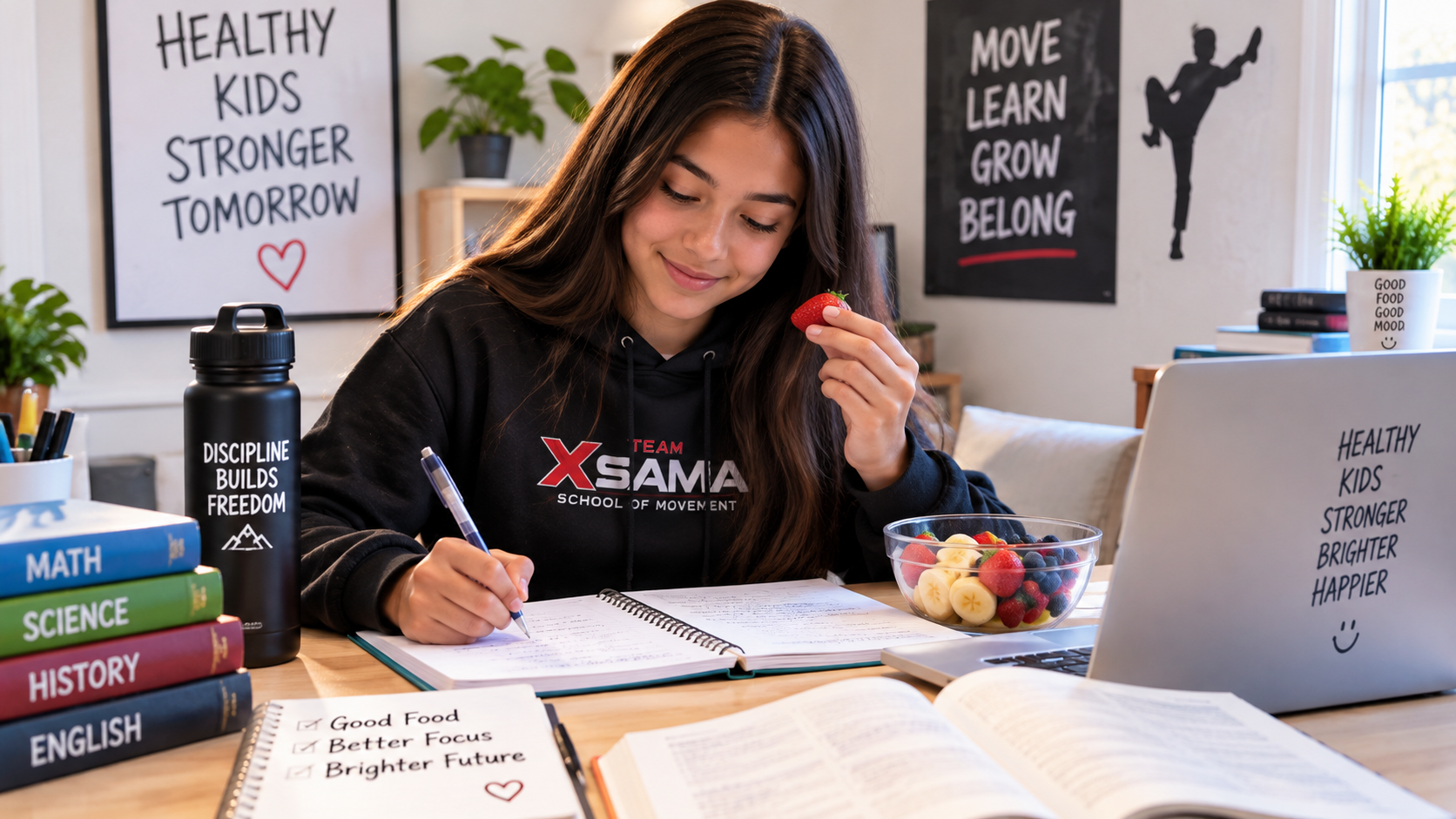
Healthy Eating for Kids & Teens: Why Good Nutrition Matters for Active Children
Between school, homework, screen time, sports, and extracurricular activities, children and teens have a lot going on. One of the most important ways parents can support their growing kids is by helping them develop healthy eating habits.
A healthy diet for children and teens does much more than help them maintain a healthy weight. Good nutrition provides the fuel their bodies and brains need to grow, learn, concentrate, recover, and stay physically active.
For active children participating in Taekwondo, Parkour, Hip Hop Dance, Tumbling, Gymnastics, or other youth sports, nutrition becomes even more important. Combining healthy eating with regular physical activity can help children build habits that benefit them throughout their lives.
Healthy Eating for Kids Starts With the Right Fuel
Children and teenagers are still growing and developing, so their bodies need a variety of nutrients to support healthy bones, muscles, organs, and brain development.
A balanced diet for kids and teens should include a variety of foods such as:
- Fruits and vegetables
- Whole grains
- Lean proteins
- Dairy or other calcium-rich foods
- Healthy fats
- Plenty of water
Protein helps support growing and repairing muscles, while carbohydrates are an important source of energy for active kids. Calcium and vitamin D help support developing bones, while fruits and vegetables provide important vitamins, minerals, and fiber.
The goal doesn't need to be creating a "perfect" diet. Instead, parents can focus on variety, balance, and healthy food choices most of the time.
Good Nutrition Can Help Kids at School
Nutrition isn't only important when children are running, jumping, kicking, dancing, or playing sports. Their brains need fuel, too.
Starting the day with a nutritious breakfast and eating balanced meals throughout the day can help give children the energy they need for school and other activities.
Kids and teens often have long days. After spending hours at school, many head directly to homework, sports, martial arts, dance classes, or other after-school activities.
When children go long periods without eating or rely heavily on foods and drinks high in added sugar, their energy levels can fluctuate throughout the day.
Providing nutritious meals and snacks can help give children more consistent energy for learning, homework, youth sports, and physical activities.
See our blog post for tips to help your child balance school and sports by CLICKING HERE
Nutrition for Active Kids and Teens
Children involved in sports and other physical activities may have especially busy schedules.
A child might spend six or seven hours at school and then head directly to Taekwondo, Parkour, dance, soccer, gymnastics, or another activity. By the time their class or practice begins, it may have been several hours since lunch.
That's why a healthy after-school snack for active kids can be a great addition to their routine.
Some simple options include:
- Fruit with nut or seed butter
- Yogurt with fruit
- Cheese and whole-grain crackers
- Fruit and a small sandwich
- Vegetables with hummus
- Whole-grain toast with nut or seed butter
The goal is to give their body enough fuel for physical activity without making them feel overly full before practice.
Hydration Is Part of Healthy Nutrition
Water is another important part of a healthy lifestyle for children and teens, especially for physically active kids.
Children lose fluids through sweat during exercise, particularly during warm weather or more intense physical activity. Encourage kids to drink water throughout the day instead of waiting until they become extremely thirsty.
For most everyday activities, water is an excellent choice for hydration.
Sending your child to school, practice, or an after-school activity with their own reusable water bottle is a simple way to encourage better hydration habits.
Healthy Food Helps Active Kids Recover
Nutrition matters after physical activity, too.
Running, jumping, kicking, tumbling, dancing, and other movements place demands on the muscles. After activity, the body needs nutrients and fluids to recover.
A meal or snack containing carbohydrates and protein can help replenish energy while providing nutrients the body uses for muscle growth and repair.
And this doesn't require complicated shakes, supplements, or expensive sports products. Regular nutritious foods can often provide what active children need.
Kids and Teens Don't Need Energy Drinks
One trend parents should pay particular attention to is the popularity of energy drinks among children and teenagers.
Energy drinks are often marketed with promises of increased energy, focus, or athletic performance, but they can contain large amounts of caffeine and added sugar.
Kids and teens don't need energy drinks to get through school, Taekwondo class, Parkour training, dance practice, or other youth sports.
Healthy food, proper hydration, adequate sleep, physical activity, and appropriate rest provide a much better foundation for maintaining energy.
Parents should also help children understand the difference between sports drinks and energy drinks. They aren't the same thing, even though their packaging and marketing can sometimes make them appear similar.
Healthy Eating Doesn't Mean Never Having Treats
Developing healthy eating habits shouldn't mean teaching children that certain foods are "bad" or making them feel guilty for enjoying pizza, ice cream, cookies, or other treats.
Balance matters.
Birthday cake at a party isn't going to erase a child's healthy habits, just as eating one apple doesn't automatically create a healthy diet.
Instead of focusing on individual foods, families can look at their child's overall pattern of eating and physical activity.
When nutritious foods are normal everyday choices, there is still room for treats, celebrations, and favorite foods.
Parents Can Help Build Healthy Habits
One of the best ways to encourage healthy eating for kids and teens is for parents to model those habits themselves.
Children pay attention to what the adults around them do. Drinking water, eating vegetables, trying new foods, sitting down for family meals when possible, and talking positively about food can all help children develop a healthier relationship with nutrition.
Whenever possible, involve kids in the process.
Let them help choose fruits and vegetables at the grocery store, prepare simple meals, pack healthy snacks for school, or decide what goes into their lunch.
Teaching children why their bodies need nutritious food can be more effective than simply telling them what they aren't allowed to eat.
Healthy Eating + Physical Activity = Healthy Habits
At Team XSAMA School of Movement, we believe keeping children physically active is an important part of helping them develop healthy lifelong habits.
Our Taekwondo, Parkour, Hip Hop Dance, and Tumbling programs in San Diego give children and teens opportunities to move, challenge themselves, build confidence, improve fitness, and develop new physical skills.
But physical activity is only one piece of the puzzle.
Healthy eating, regular physical activity, hydration, and adequate sleep all work together.
The habits children develop today can influence the choices they make as teenagers and eventually as adults. Helping kids understand how nutritious foods fuel their bodies gives them another valuable tool for taking care of themselves.
You don't need to completely change your family's diet overnight. Start small. Add another vegetable to dinner. Pack a healthier after-school snack. Keep water bottles handy. Let your child help prepare a meal.
Small, consistent choices can eventually become lifelong healthy habits.
Helping San Diego Kids and Teens Stay Active
For families looking for kids fitness programs, youth activities, and after-school activities in San Diego, finding something children genuinely enjoy can make a huge difference.
Team XSAMA School of Movement offers Taekwondo, Parkour, Hip Hop Dance, and Tumbling for kids and teens in the San Diego area, including families in Rancho Bernardo, 4S Ranch, Rancho Peñasquitos, Poway, and surrounding communities.
Our goal is to help children become more active while developing confidence, discipline, coordination, strength, and a positive relationship with physical activity.
Healthy kids need nutritious food, plenty of movement, adequate sleep, and opportunities to challenge themselves.
And when children find physical activities they genuinely enjoy, staying active can become something they want to do instead of something they have to do.